

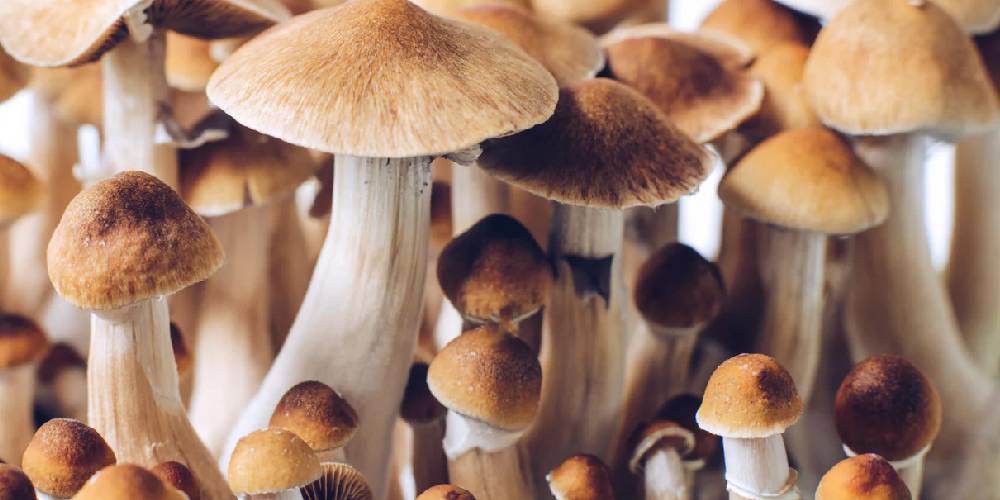
If you’re curious about the fascinating world of mushrooms, you’ve likely encountered the term “spores.” Spores are the microscopic seeds from which mushrooms grow. They hold the genetic material necessary to propagate a new fungus. Understanding spores is the first step for anyone interested in mushroom cultivation, whether you’re a hobbyist or looking to dive deeper into the subject. In this guide to mushroom spores, we’ll explore what they are, how they work, and why they’re essential for growing popular strains like the Golden Teacher.
What Are Mushroom Spores?
Mushroom spores are like the seeds of the mushroom world, although they are significantly smaller and require different conditions to germinate. They are released from the gills or pores on the underside of a mushroom’s cap. Spores come in various shapes, sizes, and colors, which can help identify different species. They contain all the genetic information needed to grow a new mushroom, but they need a suitable environment to do so.
To cultivate mushrooms, you’ll need a spore syringe or spore print. A spore syringe contains a solution filled with spores, making it easy to inject them into a growing medium. A spore print is a collection of spores deposited on a flat surface, like a piece of paper, which can then be transferred to a substrate. Both methods are effective for starting your mushroom cultivation journey.

The Allure of Golden Teacher Mushrooms
Among the many types of mushrooms, Golden Teacher stands out for its distinct appearance and ease of cultivation. This strain is named for its golden caps and the enlightening experiences it often provides to those who study it. Golden Teacher mushrooms are popular among both beginners and experienced cultivators. They are known for their resilience, making them a great choice for those just starting out.
Golden Teacher mushrooms produce large, dense caps and sturdy stems, making them visually appealing. The spores of this strain are typically dark purple-brown, and they are relatively easy to work with, making them a favorite among cultivators. The strain’s robust nature means it can withstand varying environmental conditions, making it less prone to contamination—a common issue in mushroom cultivation.
How to Use Mushroom Spores
Using mushroom spores involves several steps, but it starts with sterilization. This crucial step ensures that no unwanted bacteria or fungi compete with the mushroom spores. Once your equipment and substrate are sterilized, you can introduce the spores using a syringe or spore print. The spores will then colonize the substrate, eventually leading to the growth of mycelium—a network of fungal threads that will develop into mushrooms.
Patience is key when cultivating mushrooms. It can take several weeks for the mycelium to fully colonize the substrate. Once it does, you can introduce the right conditions for fruiting, such as increased humidity and lower temperatures. Before you know it, you’ll see the first pins, which will grow into full-sized mushrooms.
Final Thoughts
Mushroom cultivation is a rewarding hobby that offers a deep dive into the natural world. Whether you’re interested in the fascinating biology of fungi or the allure of specific strains like Golden Teacher, understanding the basics of spores is essential. With the right knowledge and a bit of patience, you’ll be well on your way to growing your own mushrooms. Remember, every cultivator starts somewhere, and with each grow, you’ll learn more and refine your technique.